Iraq has continued to attract foreign investors across a wide range of sectors, including energy, construction, telecommunications, manufacturing, and professional services. In recent years, the country has witnessed growing business opportunities, encouraging many foreign companies to establish a legal presence in Iraq. However, entering the Iraqi market is only the first step. Once established, businesses must comply with a range of ongoing legal and regulatory requirements to ensure they remain compliant with Iraqi law.
Many companies assume that registering their business is the final step before they can begin operating. Registration is only the beginning. Foreign companies must continue to meet various compliance obligations to avoid penalties, delays in business operations, and other legal or administrative complications. Maintaining compliance is not only a legal requirement but also an essential part of ensuring smooth and uninterrupted business activities.
This article provides an overview of the key compliance requirements applicable to foreign companies operating in Iraq and highlights the legal obligations businesses should consider after completing their registration.
Choosing the Appropriate Legal Structure
Before going over the tax obligations, employment requirements, and other compliance obligations, companies must first determine the most suitable legal structure for their business in Iraq. This decision is one of the most important steps, as it affects the registration process and the company's ongoing legal obligations.
The first option is to register a branch of a foreign company. However, before choosing this option, the company must ensure that it has been registered in its home country for at least one year and that its latest annual financial statements do not show any financial losses. The company must also prepare all the required registration documents, which must be legalized by the Iraqi Embassy in the company's home country before they can be submitted in Iraq. Companies Law
The second option is to register a local Limited Liability Company (LLC). In this case, the company must keep in mind that it is required to deposit a minimum share capital of IQD 1,000,000 with an authorized bank in Iraq. The foreign company may own 49% of the company's shares, while the remaining 51% must be owned by an Iraqi shareholder. Companies Law
Selecting the appropriate legal structure from the outset is essential, as it determines the company's registration process, taxation, reporting obligations, and other ongoing compliance requirements.
Registering Your Business in Iraq
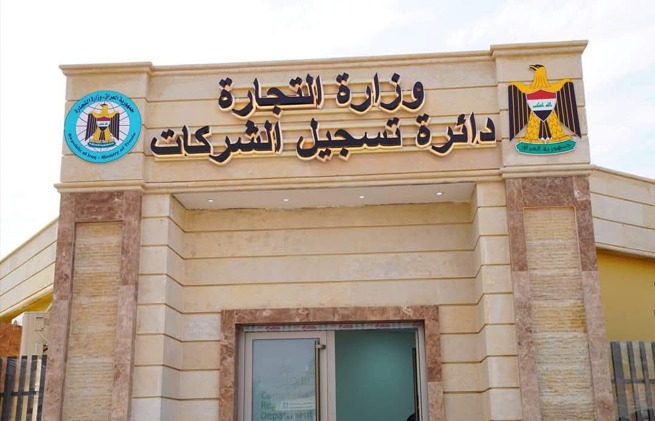
Once the appropriate legal structure has been selected, the next step is completing the registration process with the Iraqi Companies Registrar. Although the registration requirements differ depending on whether the business is established as a branch or an Iraqi limited liability company, both structures require the submission of supporting documents and approval by the relevant authorities before a registration certificate is issued.
For foreign companies establishing a branch, the registration process includes submitting legalized corporate documents, such as the certificate of incorporation, memorandum and articles of association, board resolution, power of attorney, and other supporting documents required by the Companies Registrar.
For companies establishing an Iraqi limited liability company, the registration process generally includes reserving the company name, preparing the incorporation documents, depositing the required share capital, and completing the incorporation procedures with the Companies Registrar. Depending on the nature of the company's activities, additional approvals or licenses from other government authorities may also be required before the business can commence operations. It is important to understand that obtaining the registration certificate does not automatically authorize a company to begin all of its business activities.
Tax Registration and Compliance
Following the successful registration of a company or branch in Iraq, one of the first post-registration requirements is completing the tax registration process with the General Commission for Taxes. Tax registration is a legal obligation for businesses operating in Iraq and is an essential step in ensuring that the company complies with its financial and reporting obligations.
Once registered, the company is issued a Tax Identification Number (Tax ID) and becomes subject to the applicable tax regulations in Iraq. Depending on the nature of its business activities, the company may be required to maintain proper accounting records, submit periodic tax declarations, and fulfil its tax obligations within the deadlines prescribed by law.
In Iraq, the financial year ends on 31 December. Companies are generally required to submit their annual financial statements, prepared by a licensed statutory accountant and certified by the Iraqi Accountants and Auditors Association, by 31 May of the following year, together with the required tax declarations, where applicable. In addition, employers are responsible for withholding and remitting Personal Income Tax (PIT) on employees' salaries to the tax authorities on a monthly basis. Failure to meet these obligations may result in penalties and unnecessary delays in obtaining tax clearance certificates or completing other official procedures. Tax Law
Employment, Social Security, and Statutory Accountant Requirements
Employing staff in Iraq creates additional legal obligations that extend beyond the employment contract itself. Companies are required to comply with Iraqi labour and social security regulations, ensuring that employees are properly registered and that all mandatory employer contributions are paid in accordance with the applicable laws and regulations. Under the current social security system, the employer contributes 12% of the employee's basic salary, while the employee contributes 5%, resulting in a total social security contribution of 17% of the employee's basic salary.
Foreign companies should also be aware of the statutory accountant and legal representative requirements. Depending on the company's legal structure and the applicable regulations, businesses may be required to appoint a licensed statutory accountant who is registered with the Iraqi Accountants and Auditors Association, as well as a licensed lawyer who is registered with the Iraqi Bar Association. These professionals play an important role in ensuring that the company complies with its legal, accounting, and regulatory obligations throughout its operations. Labour Law
Common Compliance Mistakes Made by Foreign Companies
Although Iraq's legal framework provides a clear process for establishing and operating a business, many foreign companies encounter compliance issues not because the requirements are overly complex, but because they underestimate the importance of ongoing compliance after registration.
One of the most common mistakes is assuming that company registration is the final step before commencing operations. In reality, registration is only the beginning. Companies must continue to meet their tax, employment, social security, and corporate reporting obligations throughout their operations.
Another common issue is delaying post-registration procedures, such as obtaining a Tax Identification Number, registering employees with the Social Security Department, or appointing the required statutory accountant and legal representative. Delays in completing these requirements can result in penalties, administrative complications, and unnecessary interruptions to business activities.
Conclusion
Establishing a legal presence in Iraq provides foreign companies with access to significant business opportunities; however, successful market entry requires more than completing the initial registration process.
Foreign companies that understand their compliance obligations from the beginning are better positioned to avoid unnecessary risks, reduce administrative challenges, and focus on achieving their commercial objectives in Iraq. Ultimately, compliance should not be viewed as a one-time requirement, but as an ongoing commitment that supports the long-term success and sustainability of a business in the Iraqi market.